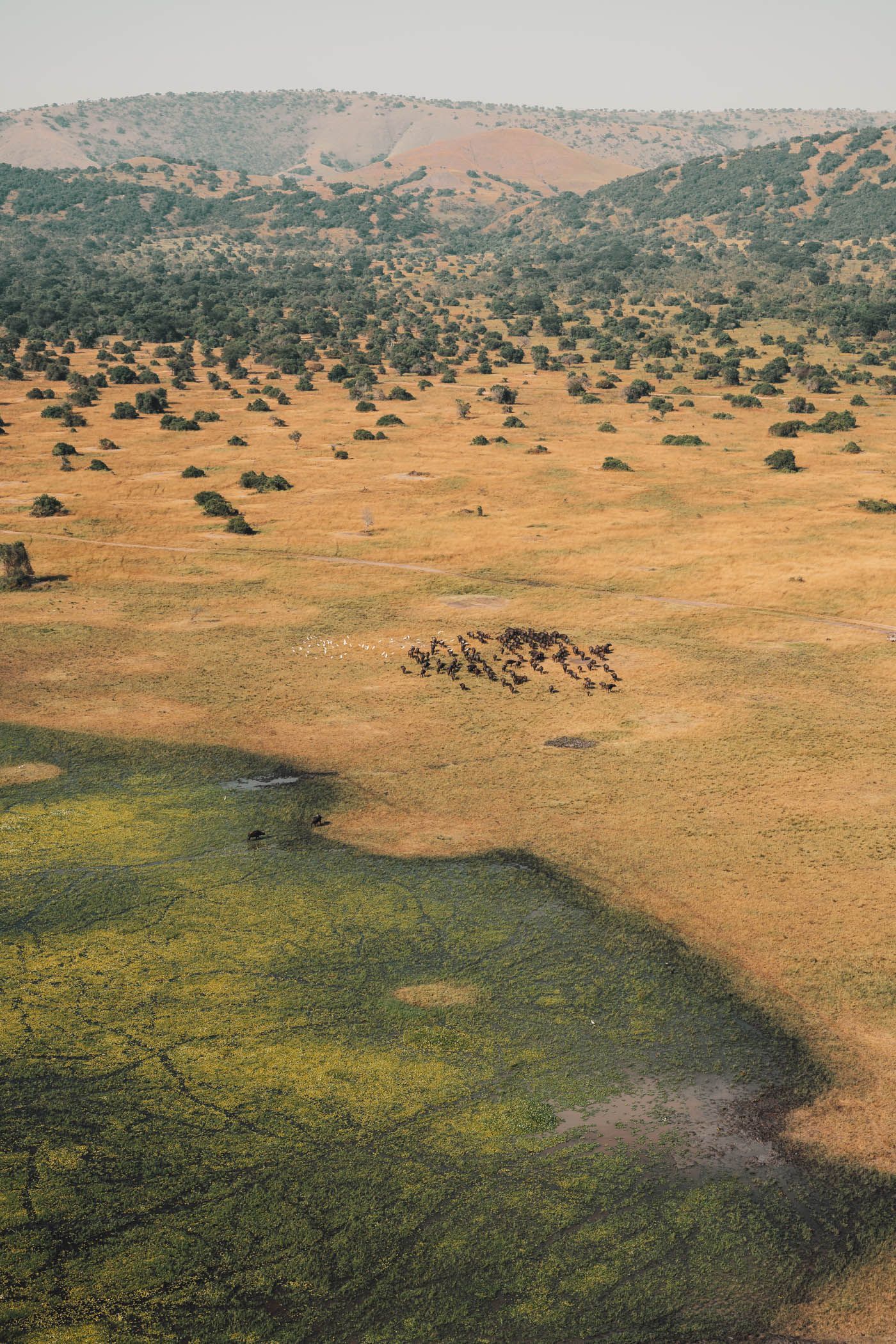
Akagera National Park
Stretching across 1,122 square kilometres on Rwanda’s eastern border, Akagera National Park is a place where several landscapes meet: open savannah, shimmering lakes, thick papyrus swamps, and pockets of acacia woodland.
Akagera is the largest protected wetland in Central Africa and the last stronghold for savannah wildlife in Rwanda. The park brims with life—from herds of antelope to rare animals you won’t find elsewhere in the country, like the elusive shoebill stork and the semi-aquatic sitatunga antelope.
Established in 1934, the park once covered 2,500 square kilometres and supported intact populations of lions, rhinos, elephants, buffalo, and leopards.
Following the 1994 Genocide Against the Tutsi, the park was reduced to less than half its original size. Lions were poisoned, and rhinos were entirely poached, each by different groups but with the same outcome.
Today, Akagera is home to 72 lions, 183 rhinos, 176 elephants, and over 500 bird species. National Geographic recently named the park one of the world’s top 25 destinations for 2026.
Akagera’s transformation goes beyond recovery; it represents a remarkable and unexpected resurgence.
The Story of Akagera National Park
Akagera National Park was created in 1934 by the Belgian colonial government. At its peak, it covered 2,500 square kilometres, which is more than twice its current size, and covered 10% of the entire country. It was a complete Big Five park, home to lions, elephants, buffalo, rhinos, and leopards.
In 1957 and 1958, six black rhinos were translocated from Tanzania into Akagera. This was one of the first black rhino translocations in conservation history, and Akagera was doing so before it was standard practice anywhere in Africa. During the same period, the colonial divide-and-rule approach had reached its goal, dividing Rwandans on ethnic grounds. The Kingdom was abolished, and the Tutsi, Rwanda’s pastoral community to which the King belonged, were being forced into exile.
The park had been established solely as a conservation zone, and it wasn't until the 1970s that it began to welcome day visitors. This was after the completion of the road network, and in 1974, after building the Akagera Game Lodge to accommodate overnight guests, tourism numbers grew. But the pressure on the park from surrounding communities also grew. Human-wildlife conflict was constant, and the number of animals kept falling. The park was losing the conservation battle, and this was even before the genocide began.
In 1975, 26 young elephants, all under the age of two, were brought to Akagera from Bugesera in the eastern province. The government turned the area into one of the places where they concentrated Tutsis, and they were not allowed to leave without permission from the local government. Bugesera was mostly a forest which had been cleared, and its resident elephants were being driven to extinction. In Akagera, elephants had not been present in the park since the 1960s, and the introduction of these 26 repopulated it once more. Those 26 orphans are the foundation of the elephant population in Akagera today.
By 1985, all Akagera giraffes had been poached. In 1986, six Masai giraffes from Kenya were introduced. This translocation founded the current Akagera population.
From its establishment until 1994, the park seemed to take one step forward and two steps back. Poaching was constant, and human-wildlife conflict along the boundaries was eroding animal numbers year by year. As lions killed cattle, communities were already retaliating, and the park was losing ground slowly, and then all at once.
In 1994, the colonial-installed government, whose cornerstone policy was ethnic division, was looking for what it described as a 'final solution to the Tutsi problem'. They orchestrated a genocide against the Tutsi, which is considered the fastest mass killing in recorded history. A million people perished in a hundred days. The massacres were brought to a halt by a rebel group that had been formed in exile by the descendants of the Tutsi who had been raised in exile since 1957. They returned to a country that had to rebuild everything from scratch; their families needed land to graze their cattle, and some moved into Akagera. It was a lack of options on their part. But the park paid for it.
There was no system to separate the park and the people, so the human-wildlife conflict continued: lions killed cattle, and, in response, the owners poisoned lions. As a result, lions went extinct in this park. There had once been more than 300 lions; the last recorded sighting was in 2001.
Rhinos, too, were not spared. In 2007, the last black rhino was recorded in the park. Poaching that began three decades earlier had reduced their peak population of fifty to zero. The park, once a pioneer in rhino conservation in Africa, no longer had a single rhino.
In 2009, African Parks took over management of Akagera in partnership with the Rwanda Development Board. Their first task, begun that year, was to erect a 120-kilometre electric fence around the entire park boundary; the project was completed in 2013. With the fence in place, the human-wildlife conflict that had defined the park for two decades came to an end. In 2015, seven lions from South Africa returned to Akagera; they were the first lions there in 15 years. Two more males followed in 2017.
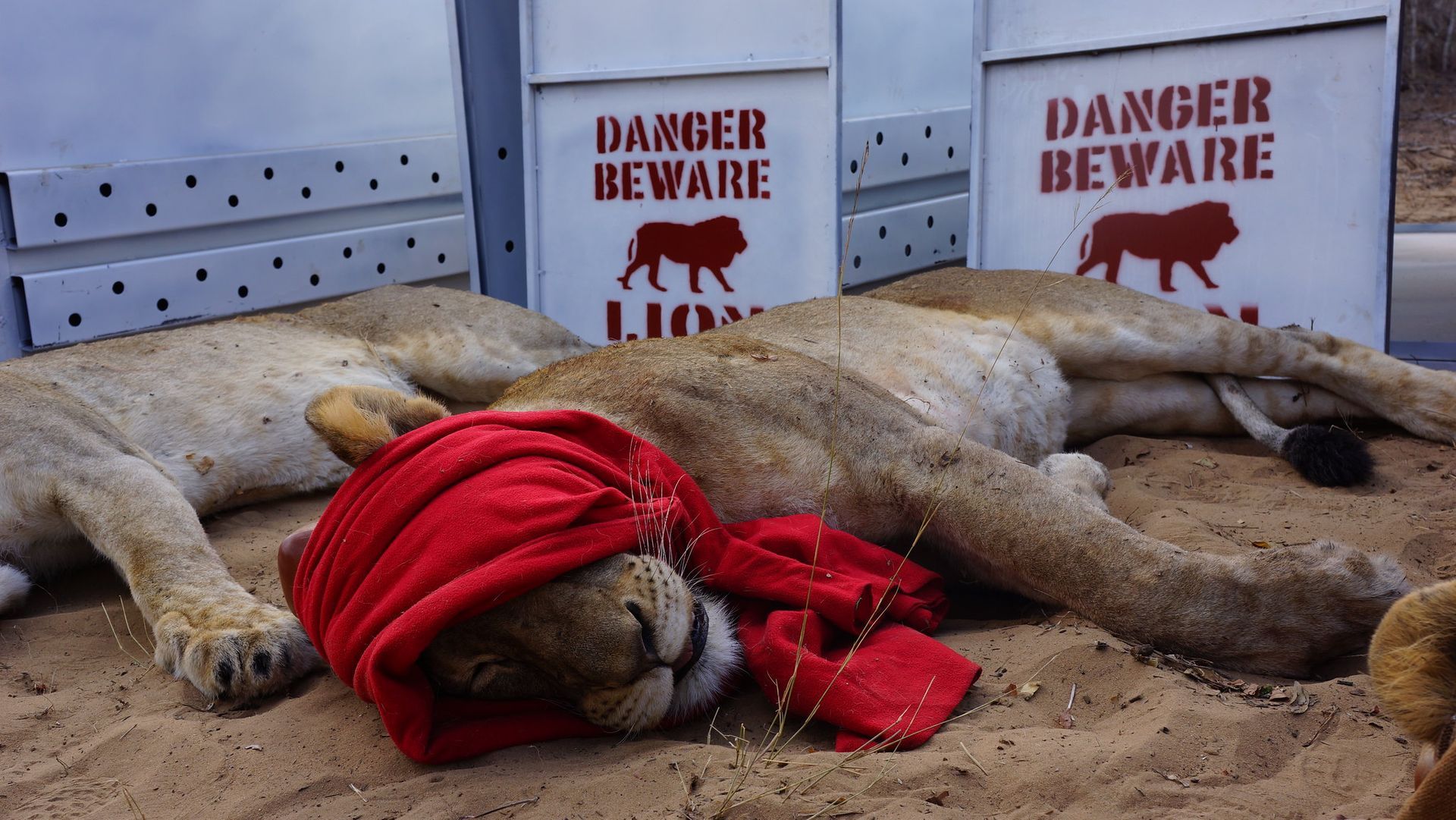
The return of rhinos to Akagera has been a story of patience and hope. In 2017, the park welcomed 18 Eastern black rhinos from South Africa, marking the first step in their comeback. Two years later, five more black rhinos made the long journey from the Czech Republic—a record-breaking translocation, as it was the longest trip rhinos have ever taken from Europe to Africa. In 2021, 30 Southern white rhinos arrived from South Africa, and the momentum didn’t stop there. In June 2025, Akagera received 70 more Southern white rhinos as part of a huge effort to rewild 2,000 rhinos across Africa. This remains the largest single rhino translocation in history. Since these reintroductions began, 60 rhino calves have been born in the park—a sign of a healthy, growing population.
Akagera now has both black and white rhino populations that are thriving.
Poaching arrests have dropped from 180 a year in 2012 to under 20 today. Snares collected annually range from 2,000 to under 100. Since the lions returned in 2015, not a single elephant, lion or rhino has been lost to poaching.
Rangers have discovered heavy cable snares set four meters high in trees, specifically designed to trap giraffes by the neck. Once caught, the animal cannot escape and dies slowly. Every snare removed from the park represents an animal saved.
Rwanda is the most densely populated country in Africa. The communities living on the park boundary are large, and for a long time, the park was their resource for cattle grazing, firewood, and water. The fence brought the human-wildlife conflict to an end, and the tourism revenue changed the relationship from rivals to partners. Today, 10% of everything the park earns goes directly back to surrounding communities. Since 2010, the park has put $5.7 million into local salaries and procurement. The people who once poached to survive now patrol to protect.
Wildlife in Akagera National Park
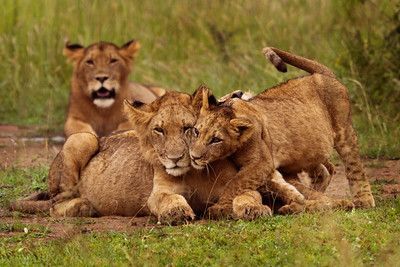
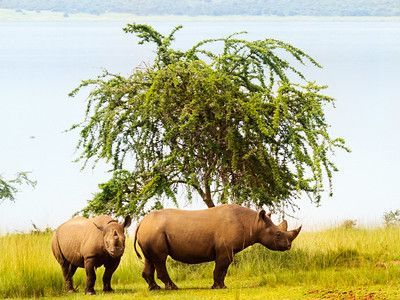
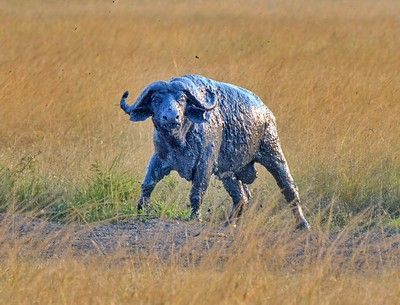
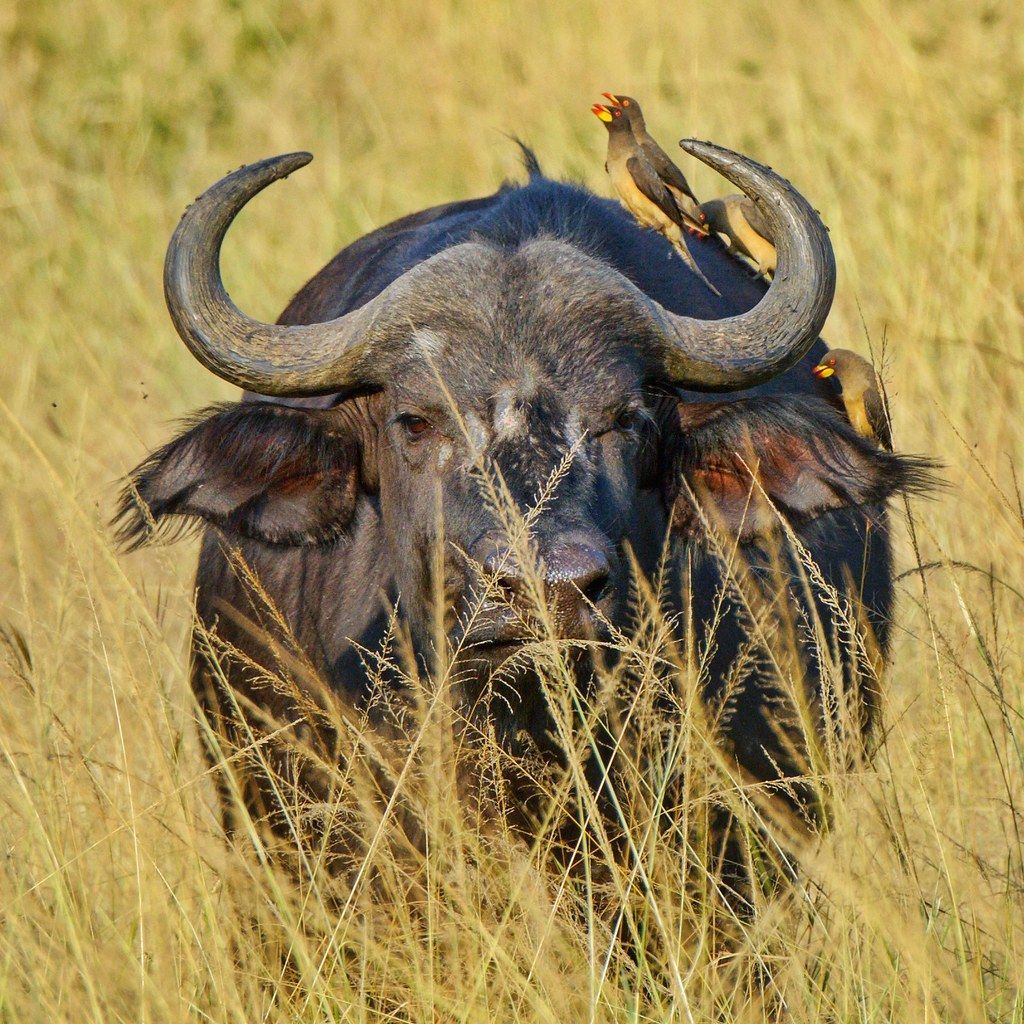
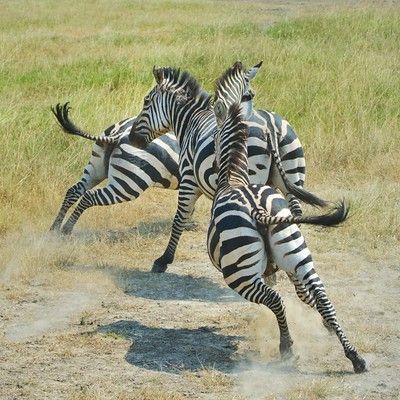
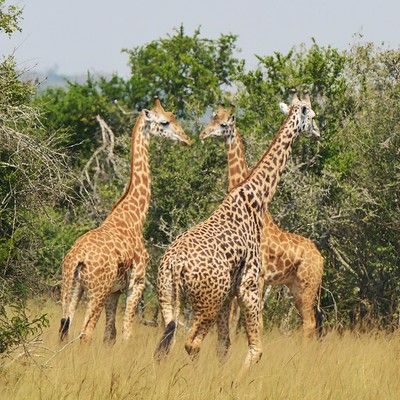
Lion. Elephant. Leopard. Rhino. Buffalo. Zebra. Giraffe. All of them were gone. All of them came back.
Photo: Richard Terborg, commissioned by Rwanda Development Board, 2023
Akagera has 72 lions, 176 elephants, 183 rhinos, 78 giraffes and over 500 bird species. Every one of them is a comeback story.
The western woodland is leopard and giraffe country — our Live Sightings Network shows the majority of leopard sightings along that boundary. The open northern plains are where lions and rhinos are most reliably found —Wildlife GPS tracking confirms the Kilala Plains as the core of lion territory. The eastern wetland corridor holds hippo throughout, elephant along the swamp edges, and the species that exist nowhere else in Rwanda — the shoebill stork, the papyrus gonolek, and the sitatunga. The lakes pull everything else in to drink.
Details on specific species, zones, or timing of wildlife in Akagera National Park
Four Ecosystems of Akagera National Park
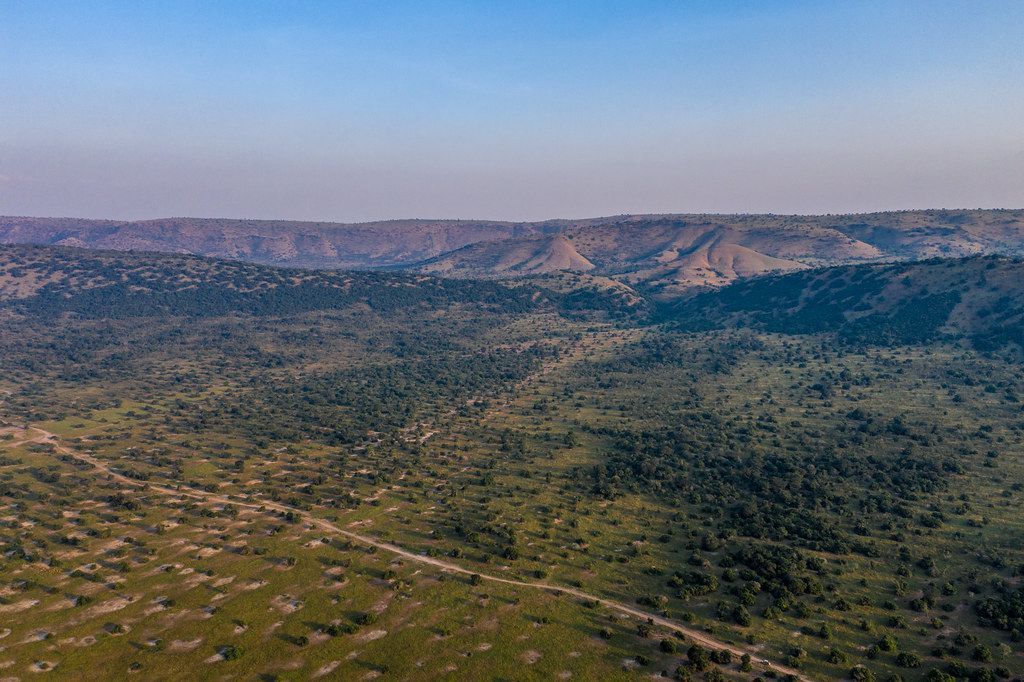
Zone 1 — Acacia Woodland
Leopards are most commonly found here and almost never in the open north. Our Live Sightings Network shows the majority of leopard sightings reported along the western woodland boundary. Giraffe feed from the acacias along the open western edge. Topis are not found in the dense bush at all — they only appear where the woodland gives way to open grassland further north.
This zone covers roughly a quarter of the park’s total area.
Zone 2 — Open Savannah
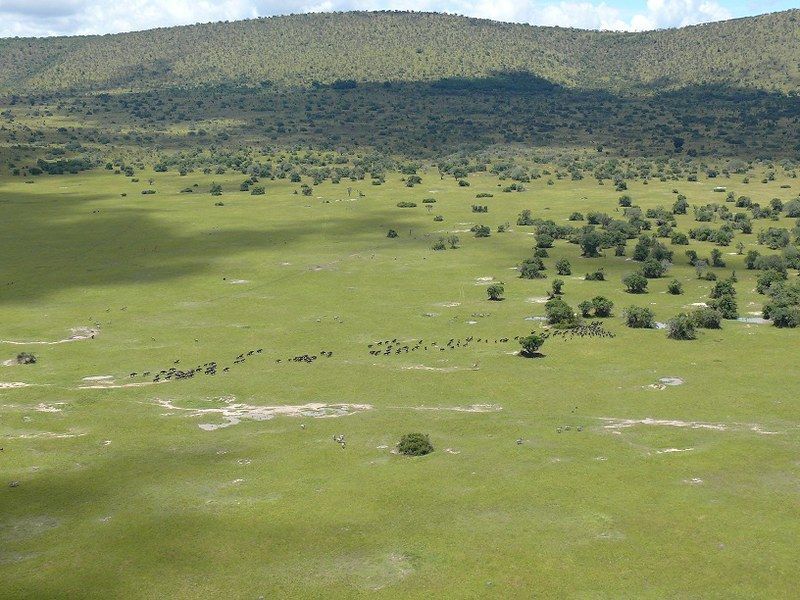
The open savannah dominates the north. The Kilala Plains are wide, flat and unobstructed — grass, sky and whatever is standing in it. No cover. Predators hunt in the open here, and the animals they hunt know it.
Lions range across the whole park, but their highest density is here. GPS tracking shows the open plains as the core of their territory. Rhinos graze without disappearing into the bush — the Kilala is where you will find them. Zebras move in large numbers across the open ground. Topi — absent in the dense south — appear here in the grassland they need. Buffalo follow the swamp edges even on the plains, always close to water. Warthogs are everywhere and are among the most consistently sighted species on our Live Sightings Network across the entire northern circuit.
The grass here is short, open and burns fast. The park manages deliberate burns to keep it that way — fresh growth after a burn pulls every grazing species in the park.
Zone 3 — Wetlands and Papyrus Swamps
Wetlands and papyrus swamps run the full length of the park’s eastern boundary, following the Kagera River as it flows south along the Tanzanian border. The papyrus corridor runs from the Kilala Plains in the north to Lake Ihema in the south — the full length of the park.
This corridor is what makes Akagera the largest protected wetland in Central Africa. Dense papyrus growing to four metres lines the river and lake edges. The gallery forest of fig and acacia grows along the water margins. Where the papyrus thickens, the light disappears entirely.
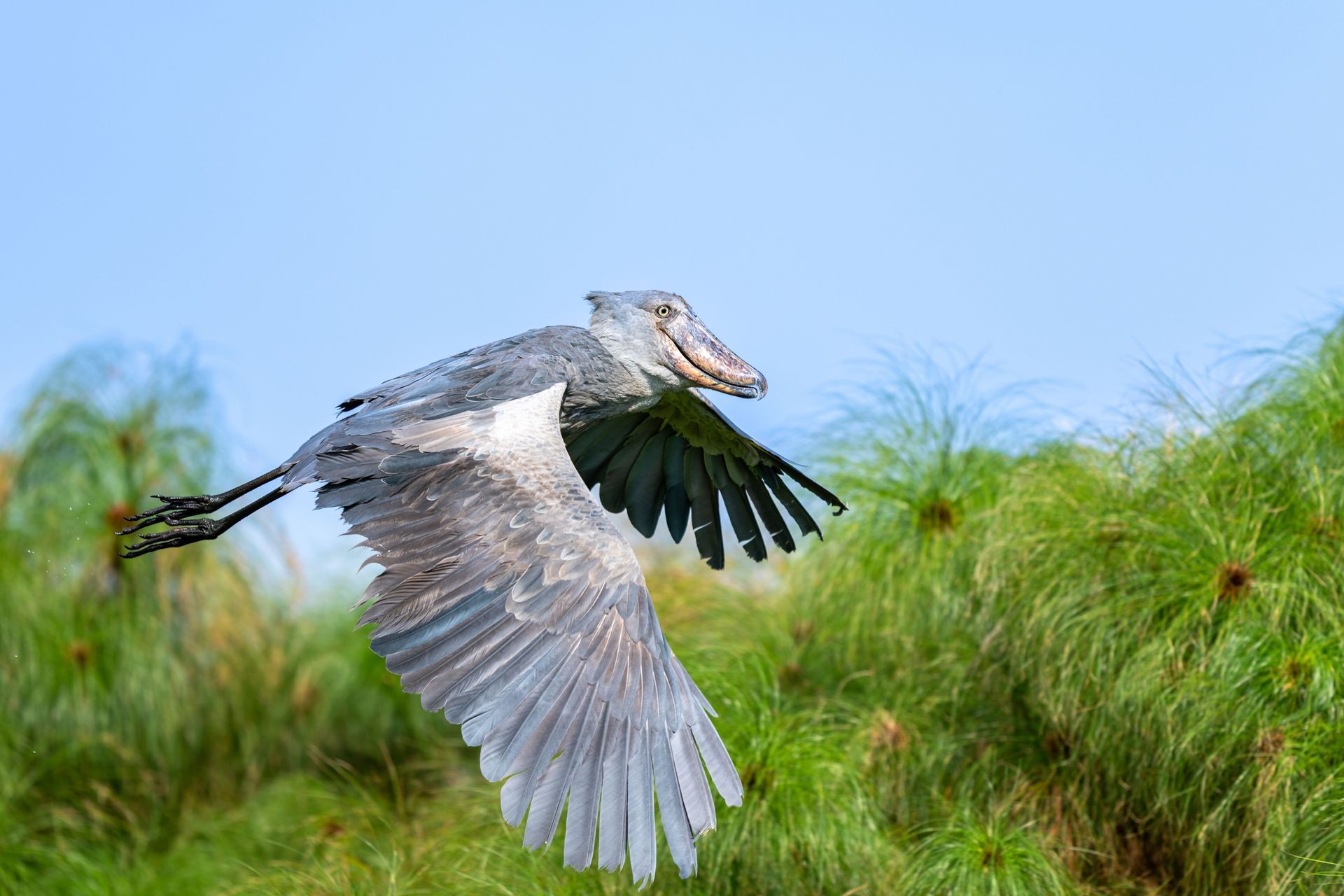
The shoebill stork lives here and almost nowhere else in Rwanda. The papyrus gonolek is a rare and endangered bird species, found only in papyrus swamps. The sitatunga, a semi-aquatic antelope that moves through water as easily as dry land is also found in this zone but it is almost never seen. Our guides report elephants consistently along the swamp edges in the north, and buffalo follow the waterline throughout both sectors. Hippos are permanent residents throughout the papyrus corridor, mostly settling in the swamp channels, at the lake margins, and in the papyrus itself. They are not confined to the lakes.
This is the zone that makes Akagera’s bird list reach 500 species. Most of those species live here.
Zone 4 — Lakes
All ten lakes are concentrated in the south and central-east, fed by the Kagera River system. Together with the papyrus swamps, they cover over a third of the park’s total surface area. Every lake has hippos and crocodiles. Every lakeshore pulls wildlife in to drink.
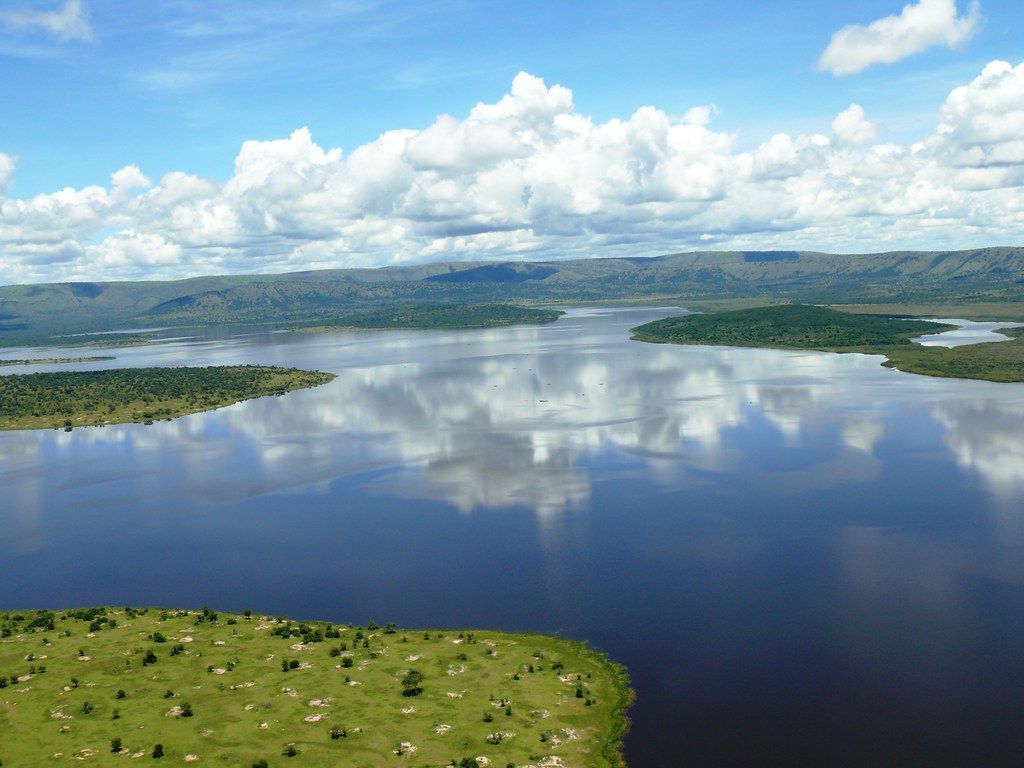
Lake Ihema is the largest. Its name comes from the Kinyarwanda word for tent, referring to the camps the German colonials pitched on its shores. It has one of the highest hippo densities in East Africa. Impala crowd the eastern margins. The elephant comes down to drink. The boat safari departs from here four times a day. The African fish eagle calls before you see it — you will hear it on every trip.
Lake Shakani takes its name from a Belgian mispronunciation of chaque année, which means every year in French. This is because the Belgians fished here every year, and the name stuck. People still fish here today.
Lake Mihindi is where most game drives stop for lunch. The shore is called Hippo Beach and is one of the few places in the park where you can leave your vehicle. A stone perimeter marks the safe zone. Hippos sunbathe. Elephants drink. Waterbuck graze the margins. The Mohana Plains beyond are among the best predator grounds in the south.
The shoebill stork lives at the papyrus edge of the lakes. It is one of the most sought-after birds in Africa. Most guests who come specifically to see it do not.
The lakes are not only scenic but also central to wildlife activity.
The Central Ridge
A sandstone ridge runs roughly north to south through the middle of the park, dividing it between west and east. On the western side you find woodland, hills, dense bush and the eastern side its is mostly lakes, swamps and open water. Most of the roads in the park cross this ridge at some point. When you feel the ground rise and the vegetation change, you are crossing it.
The ridge is the reason Akagera contains four ecosystems in one boundary. It is also why the wildlife distributes itself the way it does, from woodland species on the western slopes, water-dependent species on the eastern corridor, and the open savannah north where the ridge flattens into the Kilala Plains. That transition from dense woodland into open savannah is one of the most dramatic landscape shifts in any park in East Africa.
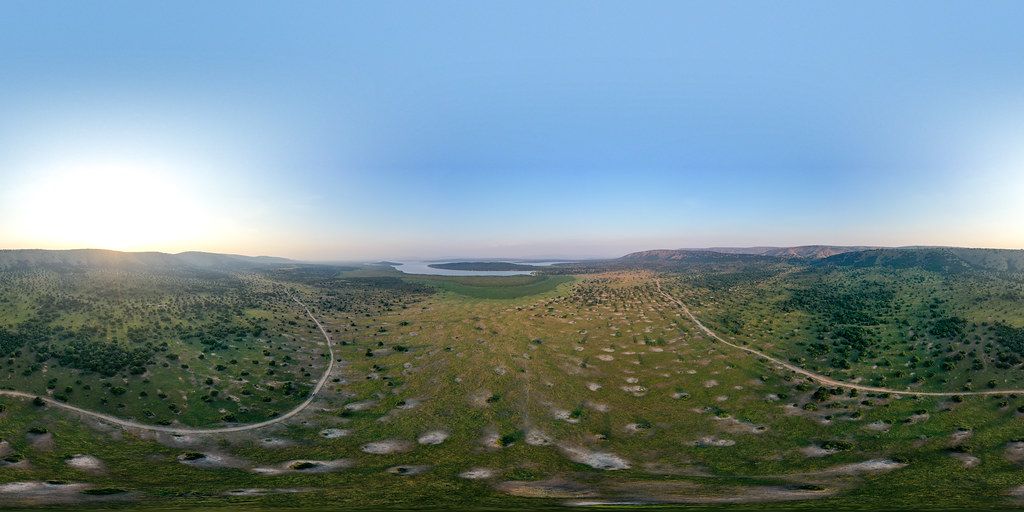
Photo: Richard Terborg, commissioned by Rwanda Development Board, 2023
North and South — Two Different Parks
Akagera is divided into two distinct sectors by a central corridor. Most visitors only see the south. The north is where the park changes completely.
The South Lakes, Wetlands and Dense Bush
The south is where you enter. It contains all 10 of Akagera’s lakes, including Lake Ihema — the largest, and home to one of the highest hippo densities in East Africa. The terrain is dense shrub and acacia woodland broken by lake shores and open plains. Elephant, buffalo, hippo, crocodile, giraffe, zebra and warthog are reliable here. Leopards live in the south but are rarely seen — the cover is too thick. The boat safari on Lake Ihema departs from Ruzizi Tented Lodge in the south.
Accessible in all seasons. The south gate — Mutumba Gate — is the only entry point for self-drive visitors. From the south gate, it is 28km to the main road at Kabarondo, then 110km to Kigali.
The North — Open Plains and Predator Country
The Kilala Plains in the north are the park's widest open ground. No shrubs, no cover — just grassland, wetlands and sky. Rhinos are easiest to find here. Lions move openly across the plains. On a good morning, you can see all five of the Big Five without changing position.
The north rewards early arrivals. Predators are active at sunrise and in the first hours of the morning — by mid-morning in warm weather, they are resting and largely invisible. A day visitor arriving at the south gate at opening cannot reach the north until early afternoon at the earliest. Visitors who spend the night in the south arrive in the north around 11am. By then, the best hours are gone.
The only way to experience the north properly is to sleep there. Karenge Bush Camp sits in the middle of the Kilala Plains. You wake up inside the best wildlife ground in the park.
The north gate is exit only. From the north gate, it is 22km to the tarmac at Kucyanyirangegene, then approximately 150km to Kigali. Difficult to access in the wet season. 4x4 recommended.
How Long Does It Take
The park covers 1,122 square kilometres and is accessible only on unpaved roads. The drive from the south gate to the north exit takes approximately seven hours while stopping at sightings, taking every loop off the main path, driving the lake shores where animals come to drink, and waterbirds congregate.
The speed limit inside the park is 40km/h, enforced by a speed governor fitted to your vehicle at the gate. Every instance of exceeding the limit is recorded, and you are fined $50 per violation at the exit.
A single day is sufficient for the southern circuit. To fully experience the north, an overnight stay inside the park is necessary.
Things to Do in Akagera National Park
Game Drive
The game drive is the visit. The boat, the night safari, the balloon, the walking activities — these are additions depending on how long you stay and what interests you. A visitor with one day does a game drive. Everything else comes with more time.
The park opens at 6am and closes at 6pm. Leave at 6:30. Predators are still moving at first light. By mid-morning in warm weather, they are resting and largely invisible.
The park is self-driving. Community guides can be hired at the south gate reception for those who want one. Guides are best booked in advance as it's on a first-come, first-served basis. To secure your preferred guide and avoid disappointment, you can make a reservation before your visit by calling +250 786 17 18 28 or emailing akagera@africanparks. Booking ahead is recommended, especially in high season.
The southern circuit covers the lakes, acacia woodland and open plains. The northern Kilala Plains are a full day’s drive from the south gate — seven hours if you take every loop and every lake shore. The north is where lions and rhinos are most reliably found in the open. You need to sleep inside the park to do it properly.
Boat Safari
All boat safaris operate on Lake Ihema in the southern section — Rwanda’s second largest lake, its eastern shore forming the border with Tanzania. It has one of the highest concentrations of hippos in East Africa. On the water: hippos surfacing close to the boat, crocodiles on the banks, African fish eagles calling from the shoreline, and an elephant coming down to drink. What a game drive cannot give you — the angle, the stillness, the birds in the reeds — the boat does.
Four departures daily — 07:30, 09:00, 15:00 and 16:30. Each trip runs for one hour. The 16:30 sunset departure runs 90 minutes.
This is the most popular optional activity for overnight guests. Early booking is recommended.
If you are on a day visit, the 09:00 departure is your only realistic option. It finishes at 10:00, leaving the rest of the day to reach the northern Kilala Plains. The 07:30 is for overnight guests only. The 15:00 means sacrificing the north entirely — not worth it if wildlife is your priority. The 16:30 is not available to day visitors: the park closes at 18:00, and there is not enough time to reach the exit after the trip ends.
If you are spending one night or more, the 16:30 sunset departure is the one to book first. Ninety minutes on the water as the light drops, the park quiets and the birds return to roost. The 07:30 is the second best — first light on the lake, before the heat builds. Do both if you have two nights.
The boat safari is available through your lodge or directly at the Ruzizi Tented Lodge reception.
Boat Trips in Akagera National Park
Night Safari
The night safari is not available to day visitors. The park closes at 18:00, and both safaris depart at 17:30, returning by 20:00. You cannot be in the park at that hour unless you are sleeping inside it.
There are two. Where you sleep determines which one you do.
The southern night safari operates from Akagera Game Lodge and Ruzizi Tented Lodge. The vegetation is dense. Visibility is limited. Leopard is possible — there are 15 to 20 in the park, and they are nocturnal — but the thick cover works against you. Come for the small nocturnal animals, the sounds of the park after dark, and the experience of being in an open vehicle at night.
The northern night safari operates from Karenge Bush Camp on the Kilala Plains. Open savannah in every direction. The spotlight reaches across open ground with no obstruction — lions, rhinos, and elephants visible at a distance, the same way they are on a daytime drive. Lions are active on the plains after sunset. Elephants come out of the dark at close range. Your chances of a Big Five sighting are genuinely higher here than on a daytime game drive. If you have one night in the park and want the best wildlife experience it offers after dark, sleep at Karenge
Nights Safari in Akagera National Park.
Behind the Scenes and Walk the Line
Behind the Scenes takes you to the park headquarters for 1.5 hours with three main stops. The conservation briefing tells you what was here, what was lost, and what it took to bring it back. The park does not sanitise this history. The canine anti-poaching unit runs a live demonstration of Belgian Malinois and German Shepherds trained to track human scent and locate poachers. Loud, fast, nothing like what you expect. The law enforcement office has a wall of 8,000 snares which you dont see as statistics on a board, but as the actual wire coiled and stacked. Each one was set to kill.
Walk the Line is a seven-kilometre walk along the electric boundary fence with a ranger, taking approximately two hours. The boundary area is predominantly shrubland — not game country. The walk covers the fence that ended the human-wildlife conflict in this park. Before it was built, lions killed cattle and were poisoned. Elephants raided crops. Poaching arrests exceeded 400 a year. After 2013, they dropped to 16.
Hot Air Balloon
Royal Balloon Rwanda operates two balloons from Kayitaba Plain, only a five-minute drive from the south gate, the only terrain in the park flat enough for a safe launch. Two balloons, each with 4 to 6 passengers. Flights rise to 1,000 metres which is high enough to see the full park spread out below. Flights last one hour. Champagne and bush breakfast after landing.
Arrival at the launch site is 5:15am. Flights operate daily at sunrise.
Wet season months in Akagera National Park are February to May and October to November. The balloon does not operate during these periods. Outside these months, flights run daily, weather permitting. If a flight is cancelled due to weather, the full fee is refunded. Guests still in the park the following morning can attempt again.
Fishing
Sport fishing is available on Lake Shakani in the southern section. It is best suited for guests camping at Shakani campsite with is located right at the shores of the lake. Catch and release, though one fish may be kept for a meal. Booking made directly through the park in advance. The lake holds tilapia and catfish.
Cultural Visits
Communities surrounding Akagera have been part of the park’s conservation model since African Parks took over management in 2010. Among them are the families of the Humure project — Rwandans who lived their entire lives in Tanzania before being expelled overnight by the Tanzanian government. They crossed the border with their cattle and settled as refugees in their own homeland. Humure, meaning "Take Heart" in Kinyarwanda, was built to provide them with a livelihood through tourism.
Cultural visits connect guests with these communities — cattle-farming demonstrations, traditional milk processing, banana beer-making, and beekeeping cooperatives that operate on the park boundary. Community guides from surrounding villages are available at the south gate reception.
Best Time to Visit Akagera National Park
Akagera is open year-round. It is not a seasonal park.
Most bookings fall between June and September. This is not because the wildlife is easier to find, but because this is the global peak for tourism. It is summer in Europe and North America. It is also when gorilla trekking in Rwanda is most popular. The park fills because visitors fill Rwanda, not because June is the right month for Akagera specifically.
Rwanda’s weather patterns are changing. Dry seasons are less predictable than they once were. Assuming clear skies in June and rain in April is less reliable than it used to be.
The wildlife does not run on a schedule either. Animals prefer cooler temperatures and when it gets too hot and dry, they move into shade and disappear from the open. During the dry season, prey animals also move deeper into the wetlands in search of fresh vegetation, and the lions that follow them disappear from the open plains where they are easiest to find. Predators mostly hunt at night and around dawn precisely for this reason that during the coolest hours of the day is when they are most active and most visible. By mid-morning, they are resting and largely out of sight regardless of season.
More vehicles on the road during high season also push predators away from game drive tracks. A quieter month with fewer cars is sometimes better for sightings than peak season, with twenty vehicles at every lion sighting.
The park manages vegetation through controlled burning on a rotation basis. Sections of old dry grass are burned to make way for fresh growth. Herbivores follow the new grass. When you see a burned area, wildlife will be back within days. This happens throughout the year, with no fixed schedule, so the distribution of animals across the park shifts constantly, regardless of season.
Some northern roads become impassable in heavy rain. The southern circuit is accessible year-round.
The honest answer on timing: a well-planned safari with a guide who knows the park from daily experience makes more difference than the month you choose. Knowledge of where the animals were yesterday is worth more than any seasonal calendar.
How to Get to Akagera National Park
Akagera National Park is 110km from Kigali — approximately 2.5 hours by road. The drive passes through Kayonza town before the final 28km on an unpaved road to the south gate at Mutumba.
The south gate is the only entry point for all visitors. From the gate, reception is a further 30-minute drive inside the park where arrive and go through registration and a briefing of the park's history by the warden. Registration can take significant time especially during high season or when schools are closed and there are busloads of students visiting. Arriving without pre-registering eats into your safari game drive.
Register in advance and skip the queue: Book Akagera Park Entrance
The north gate is exit only. Driving out through the north adds approximately 150km to your return to Kigali via Kucyanyirangegene.
4x4 recommended in the wet season. The southern circuit is accessible year-round. Some northern roads become impassable in heavy rain.
Helicopter transfers are available through Akagera Aviation — a 15-minute flight from Kigali.
Park Entrance Fees
Park entry is $100 per adult international visitor per day. EAC residents pay $25. Rwandan and EAC citizens pay approximately RWF 15,000. The fee is reduced by 50% on the second and third nights for visitors sleeping inside the park, and nights beyond the third are free for stays of up to one week. Children 6 to 12 pay half the adult rate. Children under 5 enter free. The park is fully cashless and only MTN MoMo, Direct Pay Online, bank transfer, Visa, or Mastercard payments accepted at the reception.
Other Fees
- Tent hire (6-man canvas, south sites): $30
- Recovery / breakdown assistance: $70
- Park rule speeding violation fine: $50
- Aircraft landing fee: $50
- Research fee: $200 per day
- Commercial filming / photography: $400 per day. A permit must be applied for in advance, with a clear stated reason for how the footage will be used. Apply directly to the park before your visit. Drones are not permitted in the park without a separate permit from the Ministry of Defence. Allow a minimum of 14 days for the application to be processed. Apply well in advance — this permit cannot be arranged on arrival.
Full fee schedule including vehicle fees, guide fees, activity fees, annual passes — Akagera National Park Prices 2026 & 2027
Insurance
All licensed tour operators in Rwanda are required by RDB and RURA tourism regulations to provide insurance to every visitor on any Rwanda tour, including safaris in Akagera National Park. This cover is Emergency Air Evacuation provided by Akagera Aviation, activating from the moment your tour begins and applying to all passengers in the tour vehicle, both inside and outside the park.
Health precautions: Visitors should consult their healthcare provider before travelling. The following vaccinations are strongly recommended: hepatitis A, typhoid, and routine vaccinations (such as measles-mumps-rubella and tetanus). Yellow fever vaccination is required for travellers arriving from countries where yellow fever is present—bring proof of vaccination. There is a moderate risk of malaria in Rwanda, including Akagera National Park, so taking antimalarial medication is strongly advised. Use insect repellent and wear long sleeves and pants in the evenings to reduce the risk of bites. Always drink bottled or filtered water. Check with your doctor for the most current travel health advice prior to departure.
Akagera Aviation is an independent business and is not part of Akagera National Park. In addition to providing emergency evacuation services, they operate helicopter transfers and scenic helicopter tours across Rwanda and over the park.
Self-drive visitors are not required to hold this insurance. However, all visitors entering Akagera National Park whether on a tour or self-driving are required to sign an indemnity agreement as a condition of entry.
Download the indemnity agreement
Where to Stay in Akagera National Park
Staying inside the park puts you in position at first light. Guests staying outside must pay full entry fees each time they enter, except for those at the designated lodges below, who receive 50% off their second-day entry fee.
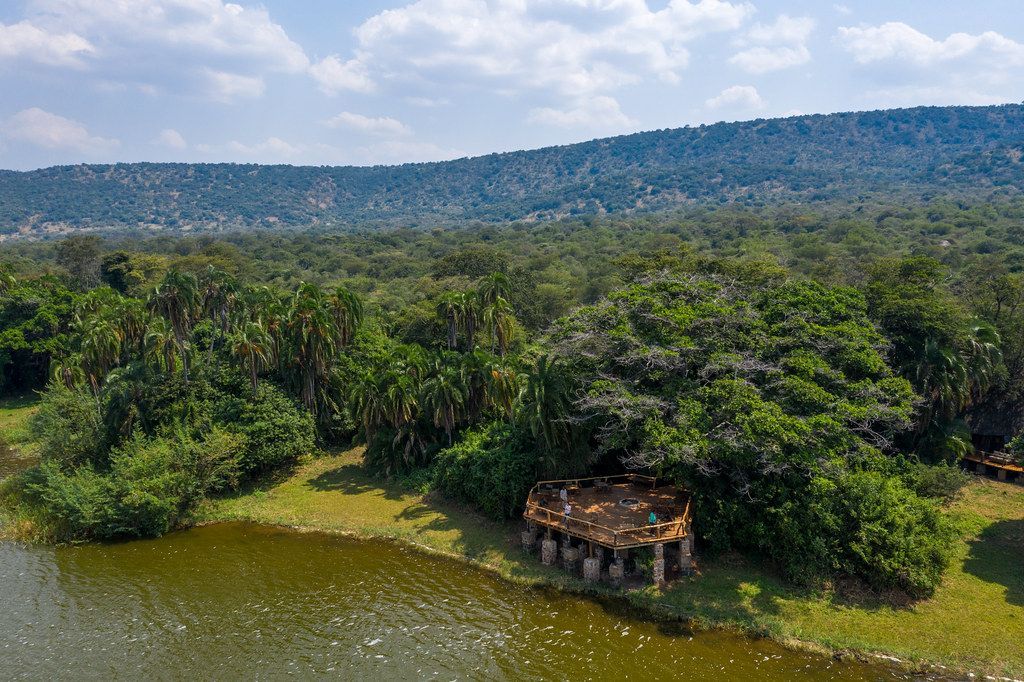
Photo: Richard Terborg, commissioned by Rwanda Development Board, 2023
Inside the Park — South
Akagera Game Lodge
5km from the south gate. Hotel-style, 60 rooms, pool, conference facilities, panoramic views over Lake Ihema. The only lodge that accepts children under 7. From $270 single or $310 double per night in low season, rising to $347 or $431 in high season. Night safari and boat safari on the doorstep. To book, visit the lodge's website or contact reservations at info@akageragamelodge.com or call +250 123 456 789.
Ruzizi Tented Lodge
6km inside the south gate. Nine eco-tents on the shores of Lake Ihema, solar powered, with wooden walkways over the water. 100% of profits go directly into park conservation. From $227 per person sharing (low season) to $258 (high season). Tree-top tent from $315 to $361.
Inside the Park — North
Karenge Bush Camp
Kilala Plains, northern section. Six tents, accommodating up to 12 adults — or up to 18 when children aged 7 to 12 share with parents. Seasonal — open May to March, closed April. From $227 per person sharing (low season) to $258 (high season). Sits on the Kilala Plains — you step out of your tent into open savannah. Northern night safari departs from here.
Magashi Wilderness Camp
Magashi Peninsula, Lake Rwanyakazinga, north-east corner. Six luxury tents. The most remote and exclusive accommodation in the park. From $760 to $1,250 per person per night, sharing.
Outside the Park — 50% Second Day Entry
- Akagera Transit Lodge
— 2km from the south gate. Community lodge. From $107/night.
- Akagera Safari Camp
— 15 minutes from the south gate, overlooks Lake Ihema. From $180/night.
- Ihema Lodge
— 20 minutes from the south gate, on the shores of Lake Ihema. From $150/night.
- Akagera Rhino Lodge
— 15 minutes from the south gate, hilltop position with views over the entire park. From $150/night.
- Akagera Park Inn Hotel — 35 minutes from the south gate.
Camping Inside the Park
Campsite fees and tent hire are charged separately. Tents are available for hire at $30 per tent, accommodating up to 3 adults comfortably. Sleeping bags and mattresses are available for hire from community members at $10 per set.
Campsites in Akagera:
- Shakani
— lakeside, unfenced, southern section. Hippos are audible from camp. Best for fishing guests. $25 per adult/ night.
- Muyumbu
— south, fenced, sunrise views over Lake Ihema. $25 per adult/ night.
- Mihindi
— northern section near Lake Mahindi, breakfast included. $50 per adult/night.
- Mutumba — central, fenced. $25 per adult/night.
FAQ
Is Akagera National Park worth it?
What Akagera lacks in numbers, it makes up for in variety. In most other African safari destinations, you would need to visit two or three different parks to see the Big Five. In Akagera, you can see all five in a single day.
How far is Akagera National Park from Kigali?
110km, approximately 2.5 hours by road. The drive passes through Kayonza town before the final 28km on an unpaved road to the south gate at Mutumba.
Can you see the Big Five in Akagera?
Yes. Akagera is Rwanda’s only Big Five park. Lion, elephant, buffalo, rhino and leopard are all resident. The northern Kilala Plains give you the best chance of seeing lion and rhino in the open. Leopards are present throughout the park but rarely seen — nocturnal and woodland-dwelling, they do not often appear in the open. Our guides report the majority of leopard sightings along the western woodland boundary.
Is one day enough for Akagera National Park?
One day covers the southern circuit — lakes, woodland, hippos, elephants, buffalo, giraffe. To reach the northern Kilala Plains, where lions and rhinos are most reliably found in the open, you need to sleep inside the park. One day is a worthwhile visit. Two days is a different park entirely.
What is Karenge Bush Camp?
Karenge is the only accommodation on the Kilala Plains in the park's northern section. Six tents, up to 12 adults — or 18 when children aged 7 to 12 share with parents. Open savannah in every direction. It sits in the middle of the best lion and rhino ground in Akagera. The northern night safari departs from here. If you want the park at its best — predators at first light, open plains, no other vehicles — this is where you sleep.
Can you self-drive Akagera National Park?
Yes. The park is open to self-driving visitors. A 4x4 is strongly recommended, particularly for the north in the wet season. Community guides are available for hire at the south gate. Without a guide, you can drive the roads — but knowing where the animals were yesterday makes a significant difference to what you find.
How do I book a stay at Akagera National Park?
Park entry is pre-registered at booking.akageraform.rw, which skips the queue at the south gate on arrival. If you are booking a safari rather than driving yourself, a licensed operator includes park fees, transport and a guide in the price. Book a safari directly at akagerasafari.com.
When is the best time to visit Akagera National Park?
Akagera is open year-round. The month matters less than having a guide who knows where the animals were the day before. See the full answer in the When to Visit section above.
Is there a night safari in Akagera?
Two. One from Akagera Game Lodge and Ruzizi Tented Lodge in the south — dense vegetation, leopard possible. One from Karenge Bush Camp in the north — open plains, lions and rhinos visible at a distance. Both depart at 17:30. Neither is available to day visitors. The northern night safari is the better wildlife experience.
Can you see a shoebill stork in Akagera?
The shoebill lives in the papyrus swamps along the Kagera River and the eastern wetland corridor. It is one of the most sought-after birds in Africa. Most guests who come specifically to see it do not. A guide with knowledge of current sightings makes a significant difference.



